
The history must travel with the object.
Identify materials, manufacture, culture, period, restoration, provenance, export history, import status, and market evidence before treating an ancient object as collectible property.
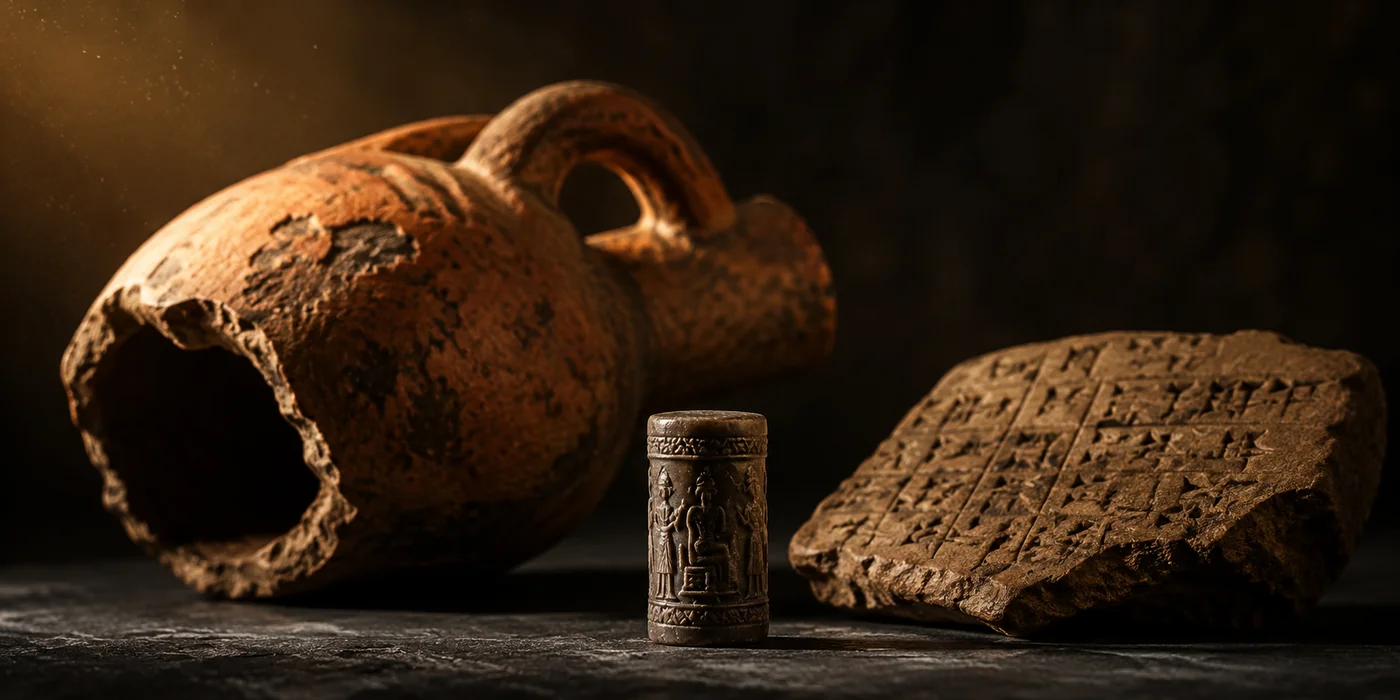
Browse ancient worlds without forcing certainty
Culture labels are hypotheses to test against material, manufacture, chronology, find history, ownership records, and documented comparisons.
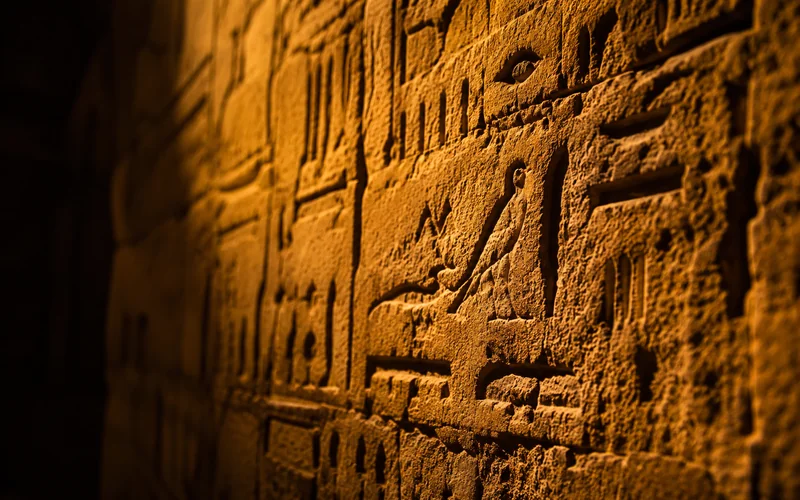
Ancient Egypt
Faience, stone, pottery, amulets, scarabs, glass, funerary forms, and inscriptions require unusually strong export and ownership records.
High documentation risk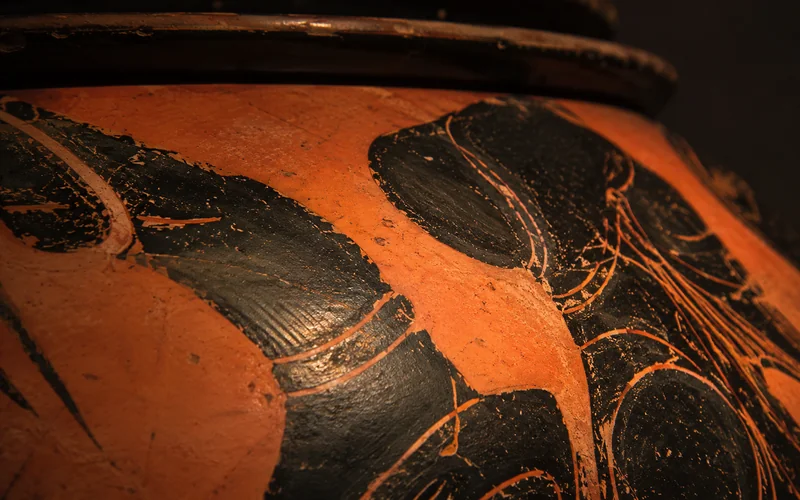
Ancient Greece
Pottery, terracotta, bronze, glass, jewelry, seals, and small domestic objects span regional workshops and rapidly changing styles.
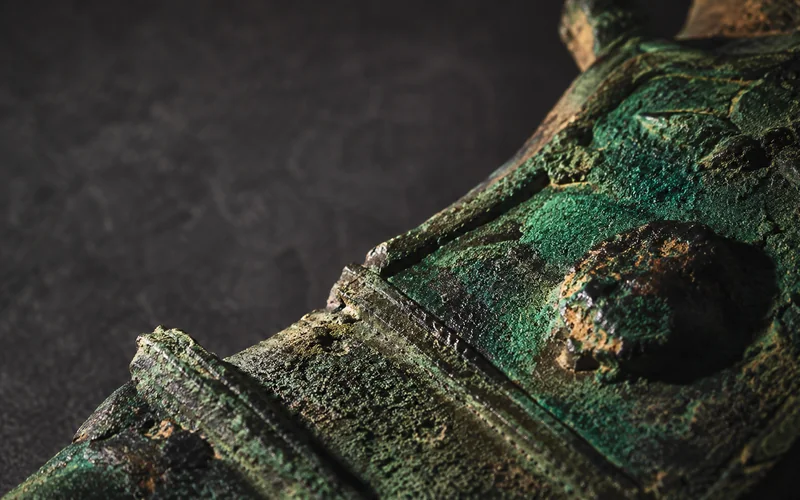
Ancient Rome
Roman material ranges from mass-produced lamps and glass to military, domestic, religious, and personal objects distributed across an enormous empire.
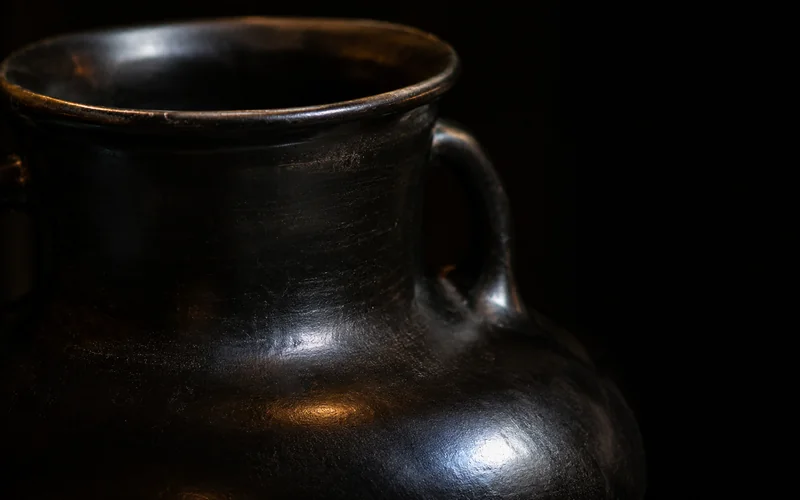
Etruscan
Etruscan pottery, bucchero, bronze, jewelry, and funerary imagery require careful separation from Greek, Italic, and modern revival material.
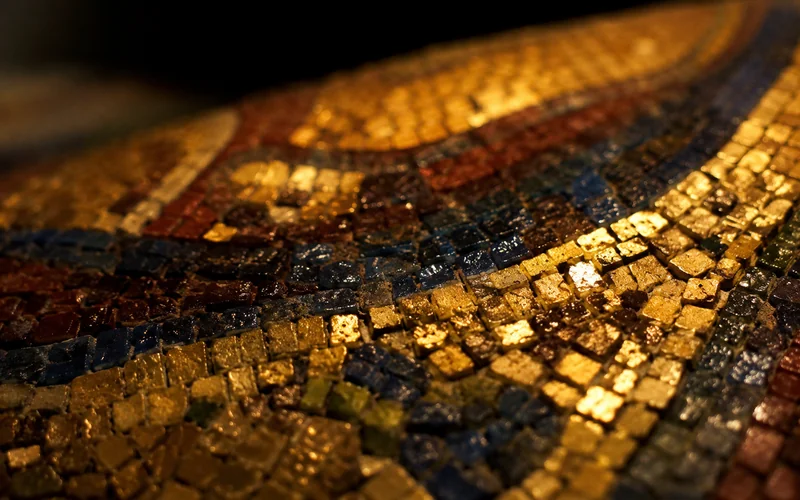
Byzantine
Crosses, seals, lamps, glass, jewelry, weights, and devotional objects sit at the intersection of Roman, Christian, and regional traditions.
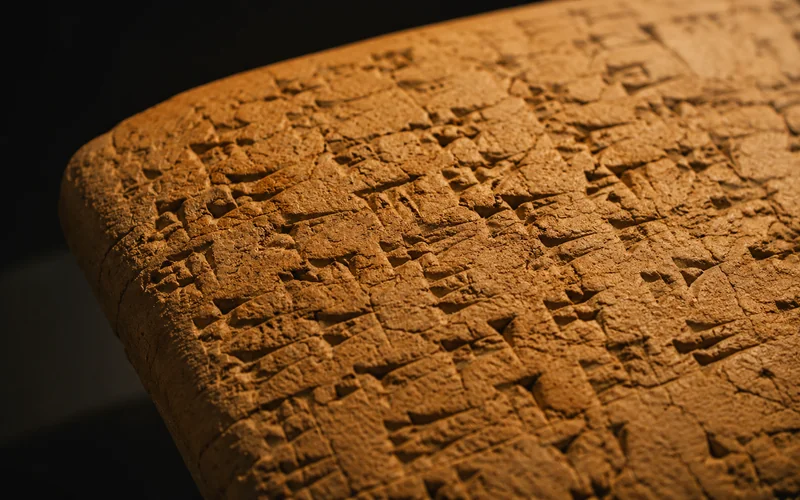
Mesopotamia
Cuneiform tablets, cylinder seals, figurines, pottery, and architectural fragments are heavily affected by modern looting and import restrictions.
High documentation risk
A date like “2nd century” is not enough.
Every antiquity also has a modern history: excavation or discovery, export, import, sale, inheritance, publication, restoration, and storage. Missing chapters create legal, ethical, authenticity, and value risk.
Object types tell different stories
Pottery, glass, metal, seals, jewelry, lamps, textiles, writing, and daily tools require different evidence and conservation.
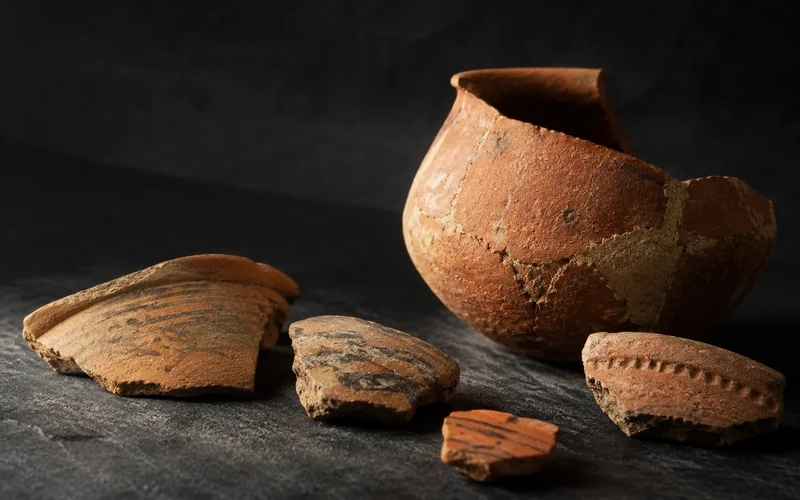
Ancient Pottery Vessels
Shape, fabric, inclusions, firing, surface treatment, decoration, and repair are the core evidence for identifying ancient ceramics.
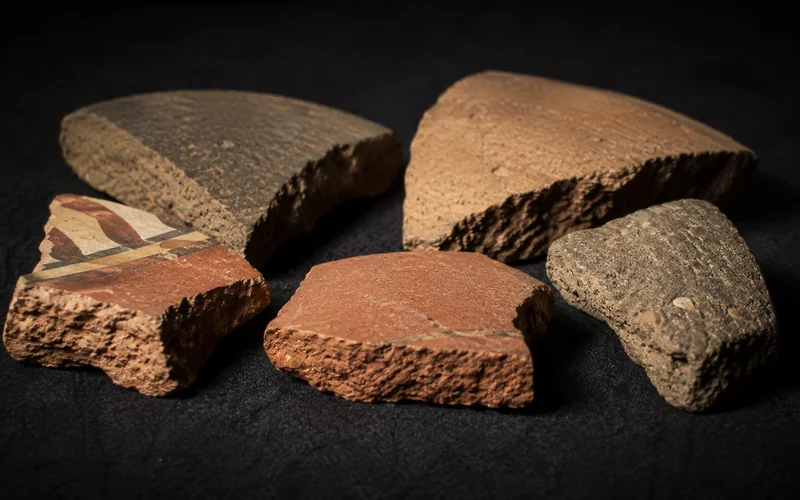
Pottery Sherds
A sherd can preserve rim form, fabric, slip, paint, or maker evidence, but an undocumented fragment may have little responsible market context.
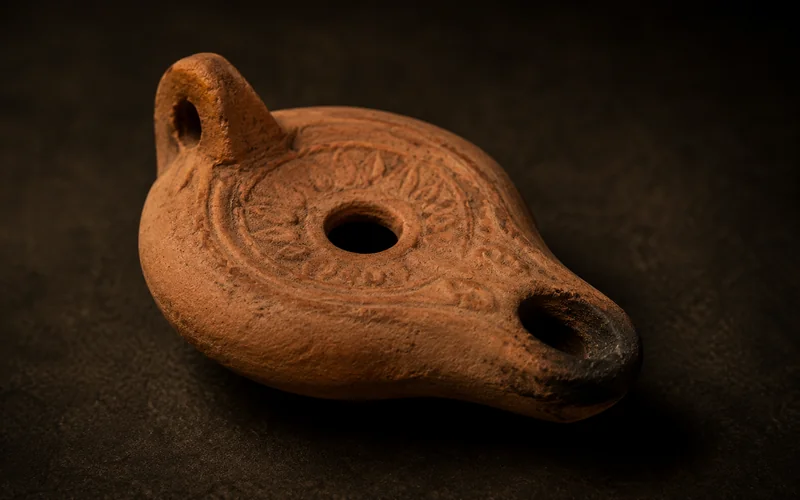
Ancient Oil Lamps
Molded decoration, nozzle form, discus, fill hole, clay fabric, soot, and workshop marks help separate periods and reproductions.
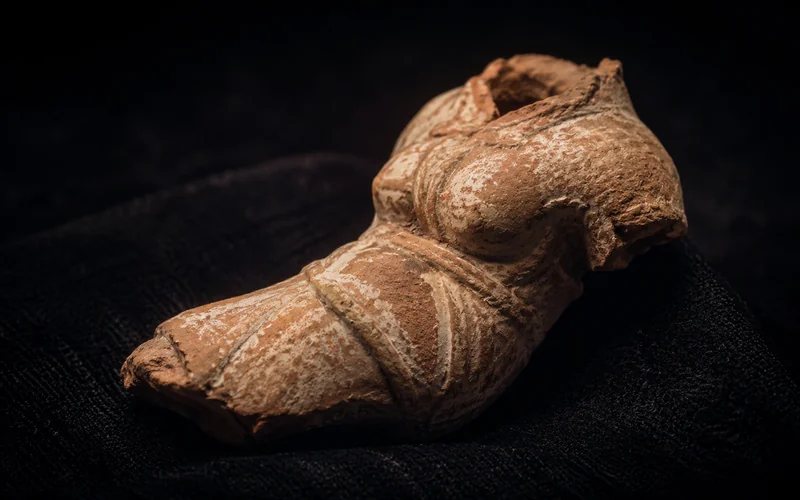
Terracotta Figurines
Mold seams, vent holes, clay fabric, pigments, break surfaces, and regional iconography are essential evidence.
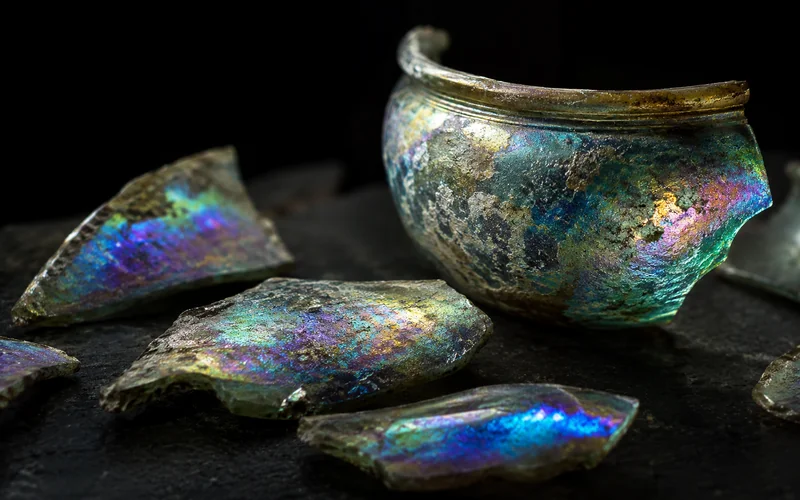
Ancient Glass Vessels
Forming technique, pontil, weathering, iridescence, bubbles, tool marks, and restoration must be evaluated together.
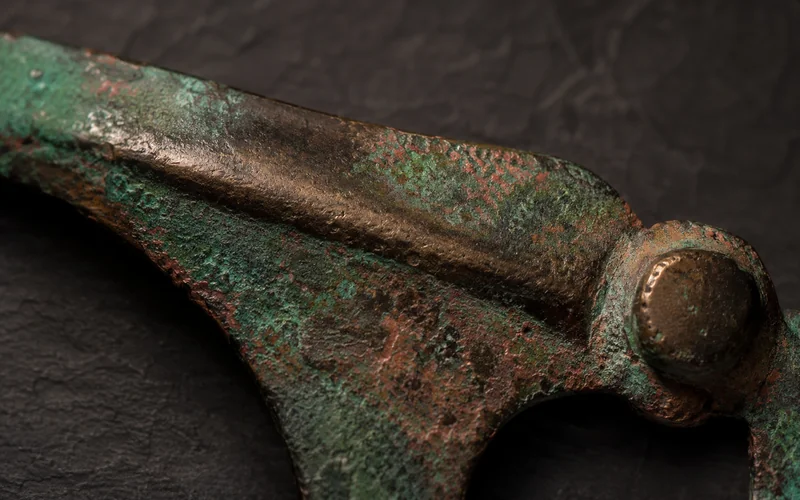
Ancient Bronze Objects
Casting, finishing, corrosion layers, alloy, joins, repairs, and burial environment affect both identification and authenticity.
Build a record before building a theory
Use the provenance workbench and collection record builder to preserve seller claims, documents, measurements, condition, restoration, and unanswered questions.
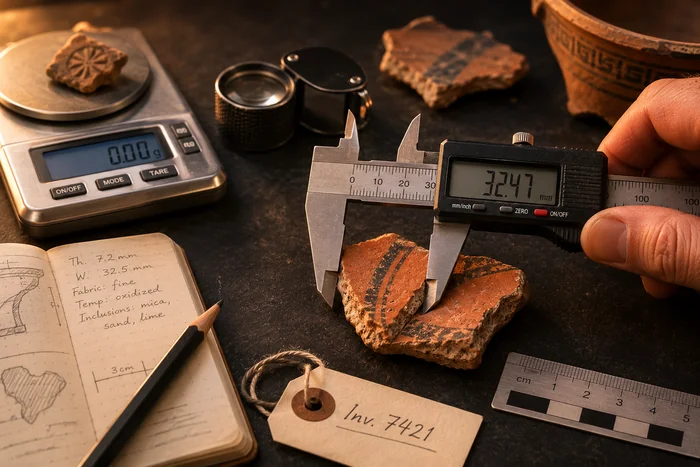
Search broadly. Buy rarely. Document everything.
Marketplace listings are useful for comparing forms, claims, documentation, repairs, and supply. They are not independent proof of authenticity or legality.